Web design
Webflow devlopment
Available for new project

Helping agencies deliver quality client websites faster

Reliable web design and development for agencies when timelines are tight and internal resources are stretched.

Partial view of a laptop screen showing a web design interface with a navigator panel listing page elements and a grid layout preview.

Working with Tuukka was smooth and efficient. The final website looks professional and communicates our services clearly.

Olivia Rhye
CEO, BonBon Agency

The whole process was clear and easy to follow. We ended up with a modern website that supports our business much better.

Ammar Foley
CFO, Agency Hammar
Common agency challenges

Do these challenges sound familiar for your agency?

Agencies often face tight deadlines, growing client demands and limited internal capacity. Without the right support, projects slow down and opportunities are lost.

Pippa Wilkinson
#ourteam
We just closed another website project and the dev team is already fully booked. Anyone available to jump in? 🙏

Limited internal capacity

Your team is fully booked and projects keep coming in.

Youssef Roberson
#ourteam
Client wants the landing page live in two weeks 😅 Do we know a reliable freelancer who could help?

Tight deadlines

Client timelines are tight and projects must move fast.

Annie Stanley
#ourteam
Designs are ready but development is slowing us down. We probably need extra help here 👋

Delivery bottlenecks

Designs are ready but development slows delivery.

Services

How I support agencies

Flexible design and Webflow development support when you need extra capacity.

Web design

Conversion-focused website design tailored for your client projects.

Clear UX aligned with goals

Modern, scalable UI systems

Fast and reliable delivery

Webflow development

Reliable Webflow development that brings designs live quickly.

Pixel-perfect builds from Figma

Clean, scalable Webflow structure

Optimized for performance and SEO

End-to-end delivery

Complete website delivery from design to launch.

Design and development in one

No delays from handoffs

Consistent quality across project

My process

A clear process for smooth agency collaboration

Every project follows a structured process designed to reduce back and forth, keep communication clear and move from brief to delivery efficiently.

1. Getting the project brief
We start with the brief, goals and scope of the project. This helps align expectations early and ensures the work supports both your team and your client’s objectives.
2. Sitemap & Wireframing
Next, I help shape the structure of the website so the content, layout and user flow are clear before moving into visual design.
3. Design
Once the structure is defined, I design the key pages with clarity, usability and brand consistency in mind.
4. Development
The approved design is then built into a clean, responsive website with a structured approach that supports smooth delivery.
5. Handoff
After final refinements, everything is handed off in a clear and organized way so the project is ready for launch or internal review.
Notion icon. Slack icon.

Clear project foundation

A strong project starts with a clear brief, aligned expectations and a shared understanding of the goal. This helps avoid unnecessary revisions later and keeps the process efficient from the start.

Web Design Project Brief document with company overview of Grid by Grid, a platform offering curated web design tools and resources.
Relume icon.

Clear structure and user flow

Before design begins, the structure of the website is defined. With tools like Relume, the sitemap and wireframes are mapped out quickly to organize content and speed up the design phase.

Website sitemap diagram showing hierarchical structure with pages like Home, Tools, Resources, Deals, Blog, About us, Submit, and Privacy policy, each containing subsections.
Figma icon.

Design that communicates clearly

Once the structure is set, the visual design brings the website to life. The focus is on clarity, brand consistency and guiding visitors toward the next step.

Figma design interface showing a 'Grid by Grid' web design project with laptop and mobile homepage layouts highlighting top web design tools and font foundries.
Webflow icon. 
Client First icon.

Reliable and structured build

The approved design is built in Webflow using the Client-First framework to keep the website well-structured and easy to manage.

Web design interface showing a sidebar with resource categories and a main section titled 'Best resources for web designers' displaying web font foundry previews.
Figma icon. 
Webflow icon.

Ready for launch

After final checks and refinements, the project is prepared for handoff. You receive a live Webflow website and a well-organized Figma file, so future updates, improvements and expansions are easier to manage.

Publishing progress window showing completed steps: preparing to publish, optimizing HTML, CSS, JS files, packaging everything, and deploying to CDN.
1. Getting the project brief
We start with the brief, goals and scope of the project. This helps align expectations early and ensures the work supports both your team and your client’s objectives.
Notion icon. Slack icon.

Clear project foundation

A strong project starts with a clear brief, aligned expectations and a shared understanding of the goal. This helps avoid unnecessary revisions later and keeps the process efficient from the start.

Web Design Project Brief document with company overview of Grid by Grid, a platform offering curated web design tools and resources.
2. Sitemap & Wireframing
Next, I help shape the structure of the website so the content, layout and user flow are clear before moving into visual design.
Relume icon.

Clear structure and user flow

Before design begins, the structure of the website is defined. With tools like Relume, the sitemap and wireframes are mapped out quickly to organize content and speed up the design phase.

Website sitemap diagram showing hierarchical structure with pages like Home, Tools, Resources, Deals, Blog, About us, Submit, and Privacy policy, each containing subsections.
3. Design
Once the structure is defined, I design the key pages with clarity, usability and brand consistency in mind.
Figma icon.

Design that communicates clearly

Once the structure is set, the visual design brings the website to life. The focus is on clarity, brand consistency and guiding visitors toward the next step.

Figma design interface showing a 'Grid by Grid' web design project with laptop and mobile homepage layouts highlighting top web design tools and font foundries.
4. Development
The approved design is then built into a clean, responsive website with a structured approach that supports smooth delivery.
Webflow icon. 
Client First icon.

Reliable and structured build

The approved design is built in Webflow using the Client-First framework to keep the website well-structured and easy to manage.

Laptop on dark surface displaying a blurred orange and gray background with text labels: Art Directed Mockups, Collection 07, Devices, 2024.
5. Handoff
After final refinements, everything is handed off in a clear and organized way so the project is ready for launch or internal review.
Figma icon. 
Webflow icon.

Ready for launch

After final checks and refinements, the project is prepared for handoff. You receive a live Webflow website and a well-organized Figma file, so future updates, improvements and expansions are easier to manage.

Publishing progress window showing completed steps: preparing to publish, optimizing HTML, CSS, JS files, packaging everything, and deploying to CDN.

Working with Tuukka was smooth and efficient. The final website looks professional and communicates our services clearly.

Olivia Rhye
CEO, BonBon Agency

Working with Tuukka was smooth and efficient. The final website looks professional and communicates our services clearly.

Olivia Rhye
CEO, BonBon Agency

Working with Tuukka was smooth and efficient. The final website looks professional and communicates our services clearly.

Olivia Rhye
CEO, BonBon Agency
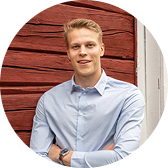
Smiling young man wearing a New Balance baseball cap and a zip-up sweater, with a blurred outdoor background.
Reliable Webflow partner

About me

I’m Tuukka Nygrén, a web designer and Webflow developer helping agencies deliver high-performing websites without adding internal overhead. I’ve been working with websites and search engine optimization for the past five years, building a strong foundation in how sites attract, engage, and convert.

Alongside my work, I study Information and Service Management at Aalto University School of Business. This gives me a business-first perspective, where every design and development decision supports clear goals and measurable outcomes.

I work as a reliable extension of your team. I design and build websites that are structured for performance, easy to maintain, and ready to deliver results from day one. Clear communication, predictable delivery, and consistent quality are at the core of how I work.

Contact me
Copy
Collaboration models

Flexible ways to work together

Whether you need help with a single project or ongoing support, I work with agencies in a way that fits your workflow, timelines and internal resources.

Starting at 1500€/project

Project-based collaboration

For agencies that need help delivering a specific client project, such as a landing page, marketing website or Webflow build from Figma.

Web design
Webflow development
60€/hour

Subcontract support

Extra web design and Webflow development capacity when your internal team is fully booked and projects need to keep moving.

Web design
Webflow development
Starting 800€/month

Ongoing collaboration

A flexible long-term setup for agencies that regularly need support with new pages, website improvements or client project delivery.

Web design
Webflow development

Need extra Webflow or design support?

Share a few details about your project and I’ll get back to you with the best collaboration option.
FAQ

Working together

Answers to common questions about collaboration, workflow, communication and timelines.

Do you work under our agency’s brand?

Yes. Most collaborations are white-label, which means the work is delivered under your agency’s brand. I work as an extension of your team and follow your processes and communication style when needed.

Can you work with our existing design or development workflow?

Absolutely. I’m comfortable working with common agency workflows and tools such as Figma, Slack, Notion, and project management systems. The goal is to integrate smoothly with your team and keep the project moving without friction.

Do you communicate directly with clients?

In most cases, no. Communication typically goes through the agency to keep the workflow clear and consistent. However, if needed, I can join client calls or discussions as part of your extended team.

What is your typical turnaround time?

Turnaround time depends on the scope of the project. Landing pages are typically completed within 1–2 weeks, while larger marketing websites can take 3–6 weeks. Smaller updates and improvements are usually delivered within a few days.

What do you need from us to get started?

Typically I need a clear project brief, the design files (if available), and access to any necessary tools or environments. Once these are in place, we can align on the timeline and get started quickly.

Do you provide support after launch?

Yes. I can help with post-launch updates, improvements, and additional pages. Many agencies choose to continue working together for ongoing improvements or future client projects.

What types of projects do you usually work on?

Most projects include marketing websites, landing pages, and Webflow builds based on Figma designs. I often collaborate with agencies that need extra capacity for client projects or ongoing production work.

How do we communicate during a project?

Communication is typically handled asynchronously through Slack, email, or your preferred project management tool. This keeps feedback and updates organized while allowing the project to move forward efficiently.

How do we start working together?

The easiest way is to discuss your upcoming project or current capacity needs. From there we can quickly align on scope, timeline, and the best collaboration model.